

written by Gina Tarditi, PhD student with the Glasgow End of Life Studies Group
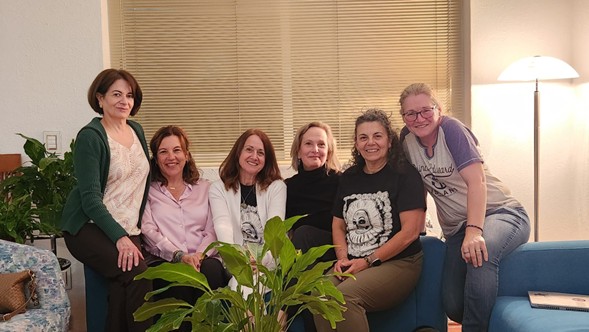
When I began the online Master’s programme in End of Life Studies at the University of Glasgow in January 2021, I never imagined that I would form a lasting bond with my fellow students, all from different countries and cultures, that would extend beyond graduation. Through the weekly online seminars on our courses, we got to know each other, and each year we would arrange an in-person visit to the University. Not only did we share a strong interest in the curriculum topics but we also developed a mutual affection and admiration for each other. After graduation, we kept in close contact. A trip to Mexico City was proposed – where I live – to experience the Día de Muertos or Day of the Dead celebrations. These festivities have gained fame worldwide, not least because of the Disney film Coco, and we had spent some time studying the festival in the course Cultural Representations of Death & Dying (which runs April-July each year). Finally, we set a date was for October 2025.
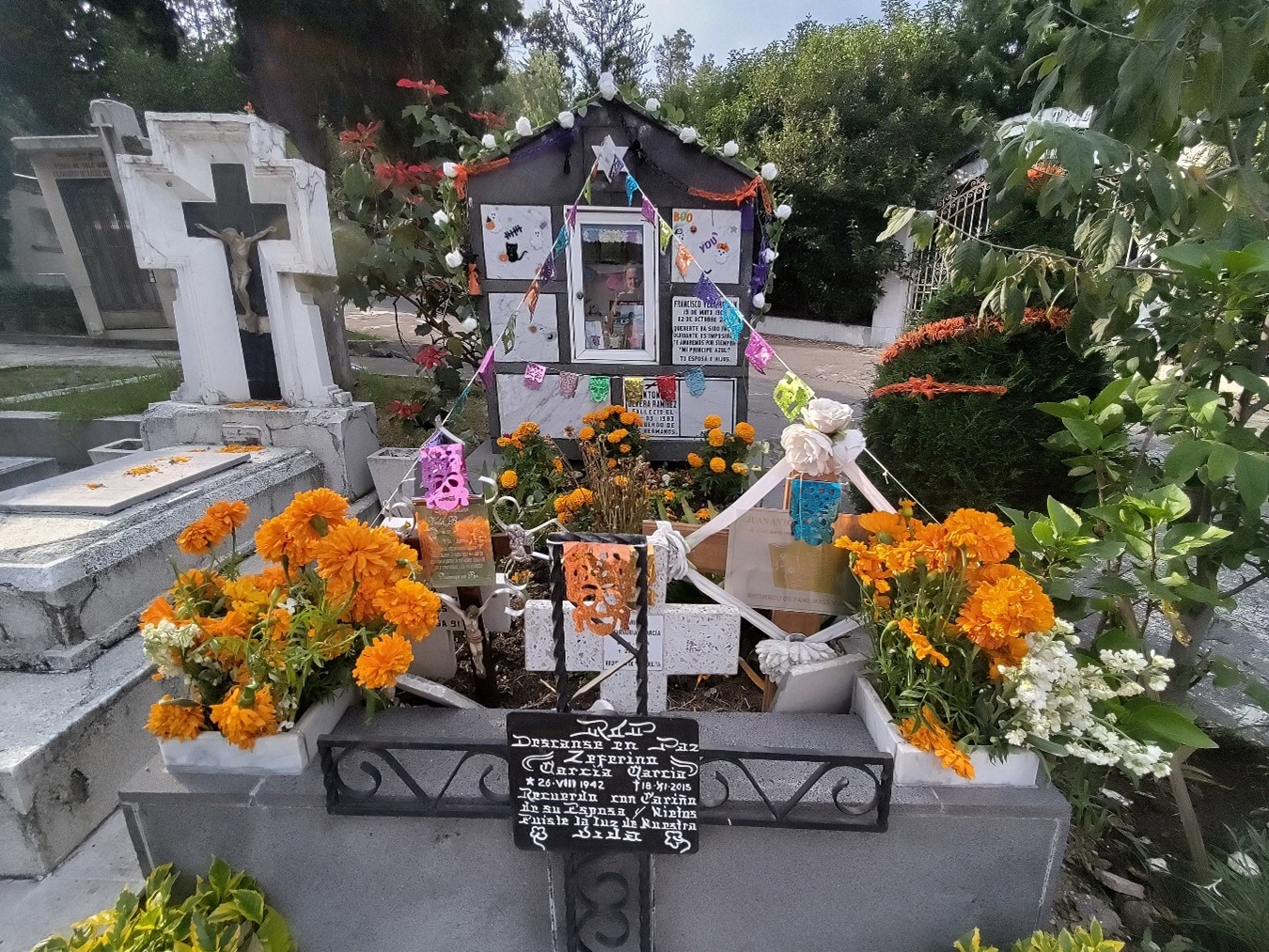
I pondered which places and activities to include in a week that would accurately portray Mexico, a country with immense cultural diversity and a kaleidoscope of images, symbols, virtues, and contradictions. I really wanted to convey the meaning of the Day of the Dead today, accounting for its ancient origins, and the ongoing evolution of this traditional festivity. The task was challenging, particularly given that Mexico City has a population of over 9 million, and this number rises to over 20 million when considering the metropolitan area. Visitors to Mexico City are often astonished by the pre-Hispanic ruins, the multiple museums, the stunning colonial palaces, the modern corporate buildings, the upscale residential neighborhoods, the traffic congestion, and some areas marked by significant poverty.
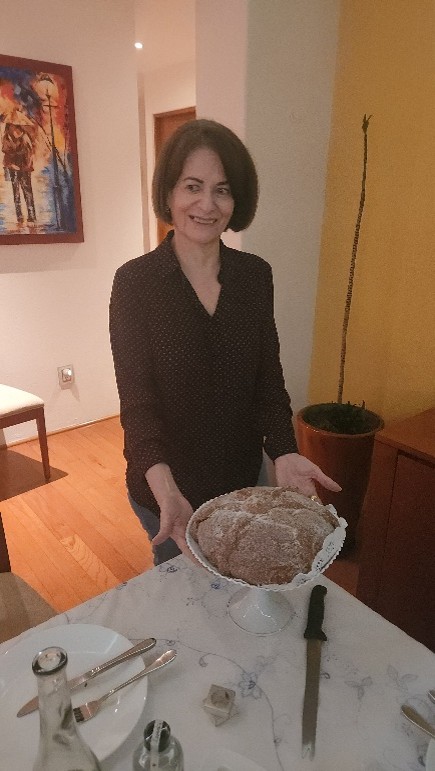
The adventure began on October 27th with a welcome dinner at my home. I wanted to surprise the group with nopales (cactus) salad, one of my favourites, and pan de muerto (bread of the dead).
Describing all of the places we visited in our week together would take too long. Here are some of the most memorable moments:
The Pyramids of Teotihuacán: The pyramids are one and a half hours from Mexico City. There, we walked along the Avenue of the Dead, climbed the Sun and Moon pyramids, and had lunch at La Gruta, a real cave with delicious food, and a beautiful Day of the Dead ofrenda, also known as altar, which is commonly set at home or at the cemetery, to welcome the deceased, with their favourite food and drinks with the purpose of receiving the visit of the deceased. We visited the San Angel Inn, designated as a cultural monument by the National Institute of Anthropology and History. We toasted with the famous margarita, a cocktail made with tequila, while enjoying live Mexican music performed by a classical trio, and admiring another stunning ofrenda.
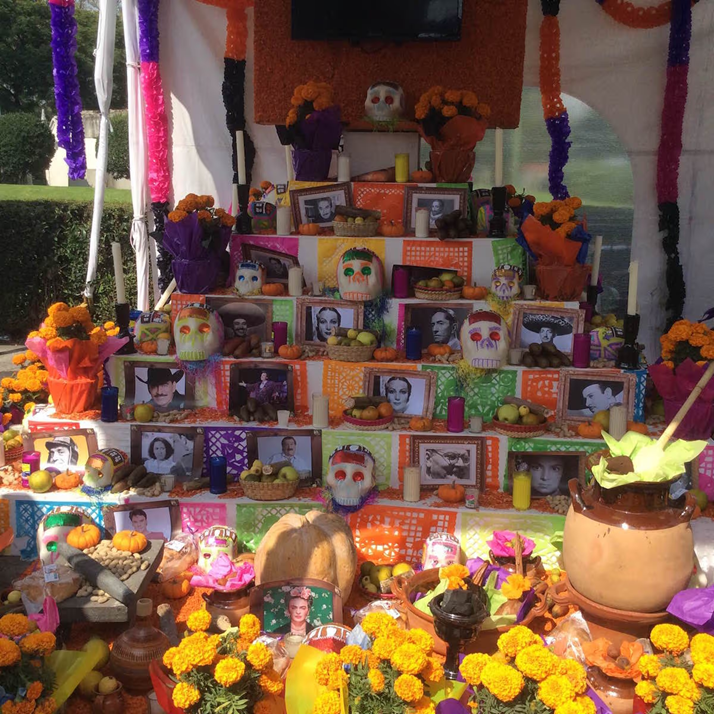
Day of the Dead Celebrations, Mexico City: On the 31st October we visited downtown, a place rich in history and beauty where almost all social and political protests take place. It was crowded, but joyful and peaceful. The Day of the Dead celebrations, originally held on November 1st and 2nd, have been extended to cover a whole week, during which diverse spectacles are performed, keeping people busy and happy. In the main square, there was a mega ofrenda dedicated to the 700th anniversary of the founding of Mexico-Tenochtitlan. We concluded our visit at the Templo Mayor Museum, which was built around the discovery in 1987 of the Aztecs’ main political and religious centre, which dominated the Mesoamerican region at the time of the Spanish conquerors’ arrival.
Day of the Dead Parade: My friends had included attending the Day of the Dead parade in their to-do list. This took place on the same day I had suggested visiting the bazaar, which is open only on Saturdays, and where artisans and artists exhibit designs from different regions of the country. They wanted to see both, so we had to keep an eye on the clock, but, haha! They forgot how time flies when one is in a ‘tourist’s shopping mode’. At the end, they could not make the parade; instead, they decided to visit a cemetery. I was sorry for them, but honestly, the parade is a recent event adopted after the film Spectre 007, in which James Bond appears in a massive parade full of skulls and catrinas in Mexico City´s main square.
A Lila Downs Concert: a Mexican-American singer, composer, and anthropologist performed at the Auditorio Nacional. Lila believes it is her duty to represent the indigenous peoples’ traditions to the public. She began her show by “asking permission from the ancestors to let the energy flow and honor the deceased”. It was magic! And I was so pleased that my dear friends had a moment to experience the depth and meaning of the Day of the Dead, beyond the forces of commodity and merchandise.
The Museum of Anthropology: this is a must-visit for locals and visitors alike.
Culture is constantly changing. However, I believe it is essential to distinguish the new from the old; the lengthy syncretic process that surrounds these traditions; how the prehistorical and Christian symbols and rites were blended, and identify the latest, non-Mexican customs, which, who knows, might eventually become part of the culture. In doing this, I want to acknowledge the past and recognise that the traditional, more intimate Day of the Dead tradition remains relevant among some social groups and regions across the country.
At the end of the week, I felt grateful for our time together, which will create lasting memories. Besides, this experience made me reflect, through others’ eyes, on the wonderful aspects of Mexico that I sometimes take for granted.
________________________________________